


Walking in the park the other day, I noticed an elderly man whose posture and way of walking were almost identical to my grandfather’s. Something about the slight forward lean, the rhythm of his steps, brought back a wave of memory so strong it stopped me for a moment.
I found myself remembering the last times I saw my grandfather working in his garden: the way he wore his shirt with the sleeves pulled up, the tone of his skin, his cap on his head, the pattern on his shirt, the sun and the dust of a sunny afternoon. There was something deeply familiar and steady in that image.
Later that same day, sitting with a non-alcoholic beer, another memory surfaced. It reminded me of my grandmother. I could almost see her sitting beside me, smiling, with her glasses on her nose. Her calm tone of voice, her smile, and the spark of love in her eyes. She had a way of being present that felt soft and accepting.
These memories of my grandparents have stayed with me. The love and safety I felt from them enveloped me. It made my heart and my imagination grow. In their presence there was warmth, consistency, and a sense of being welcomed without having to earn it. They gave me an early experience of what a balanced and caring family could feel like.
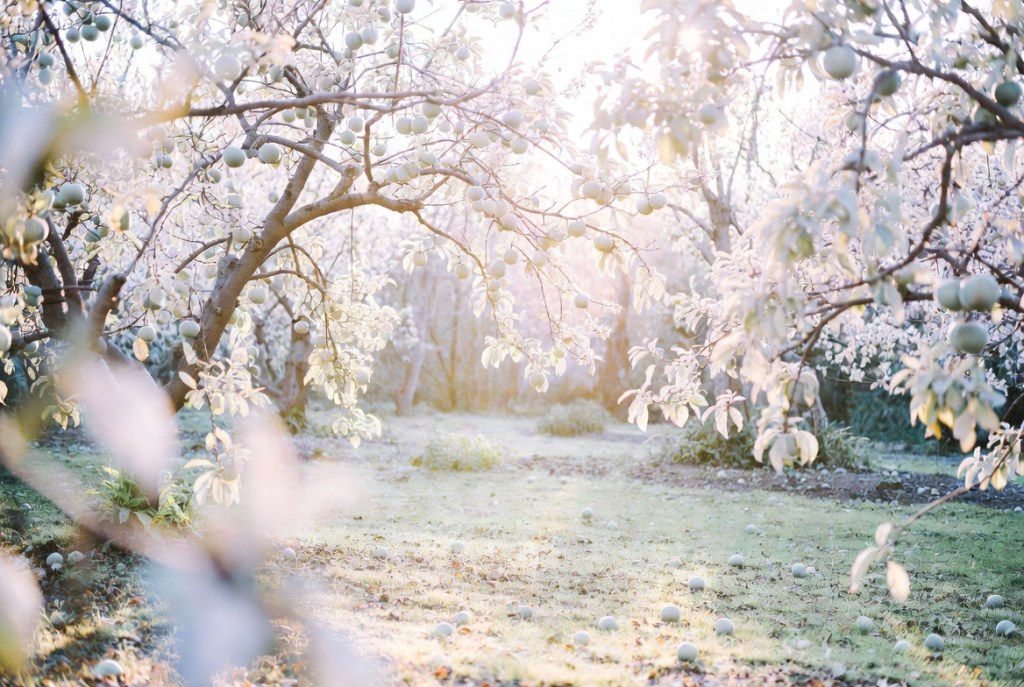
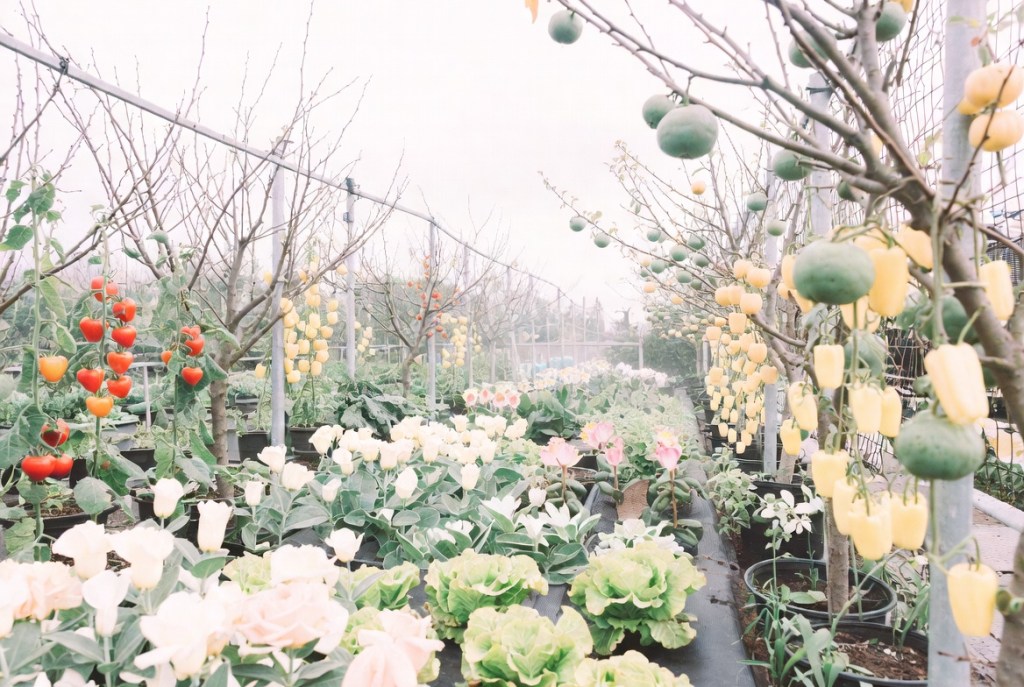
Their garden held so many small sources of comfort. Going early in the morning to see if the peaches had ripened yet or grown bigger. Trying to climb the cherry trees to reach those big red juicy cherries that had just turned the right colour. Waiting days and days for the grapes to become juicy and full of flavour — the dark ones were my favourite. Picking fresh lettuce, a few tomatoes and green peppers in the sunlight were some of the simplest and happiest moments of the day. My grandmother would ask me to wash them at the well and drain the water from them. I still remember the fresh water on my hands, the cool feeling on my fingers, and the taste of those home-grown vegetables.
I could feel the love of the animals too: the softness and kindness of the cat; the rough fur of my dog and her gentle gaze that always felt like a smile, and the quiet inner peace she carried; the smell of the horses’ fur and their neighing sounds that would bring me back into my body. The gentle sunshine and heat would make me feel as if my heart could never be big enough to take all this love and joy in.
There was also the simple pleasure of playing with cousins or neighbours, chatting outside the house for hours, and drawing energy from the presence of kind, loving people. All of it formed an inner landscape that I still carry.

When life later became more difficult and less secure, those early experiences remained somewhere inside me. Even during times when the outer world felt unpredictable, something of that earlier sense of belonging stayed alive. I would find small ways to create distance and quiet — long walks, time outdoors, moments of imagination — anything that helped me return, even briefly, to a feeling of inner space.
Looking back, I can see how important those early experiences of being met with ordinary kindness were. They became a quiet reference point: a reminder that safety, warmth and acceptance are possible.
In the therapy room, I find it essential to reconnect with the part of myself that is calm, safe, present, gentle, supportive, curious and playful. Being fully present allows a real connection to form during that short hour of shared time — a space where both client and therapist can meet their inner life, and meet each other in the process.
There is something quietly powerful in simple, direct contact: the weight of the body in the chair, the eyes that listen, the ears that notice more than words. In that kind of presence, a sense of relief can sometimes appear — a softening, a small release of what has been held for a long time.
The foundations of this work are often quiet ones: careful listening, respect, patience, and gentleness. Rather than providing ready-made answers, the therapist may simply help point towards possibilities, supporting the client to find their own way. These are often the moments that matter most — the ones that open the possibility of change.
At times, something shifts. The invisible filters that have coloured a person’s mood and thinking can lift, even if only briefly, and a different perspective becomes possible. Old habits may be questioned, emotions may surface, and understanding can arrive in unexpected ways. Sometimes fear appears, or an old memory is touched. A word, a posture, or a silence can bring something long held into the room.
In those moments, what is needed is often not more words, but presence — a willingness to stay with what has emerged. Something may be revealed to both people in the room: a gift of silence, of listening, and of steady support.
Therapy, at its best, often returns us to the flow of simple, small steps — peaceful, serene, and grounded in simplicity. Just as my grandparents offered a deep and steady love that made the world feel safer, reconnecting with one’s own inner life and capacity for joy can quietly restore a sense of hope.

 Listening Space Counselling
Leave a comment